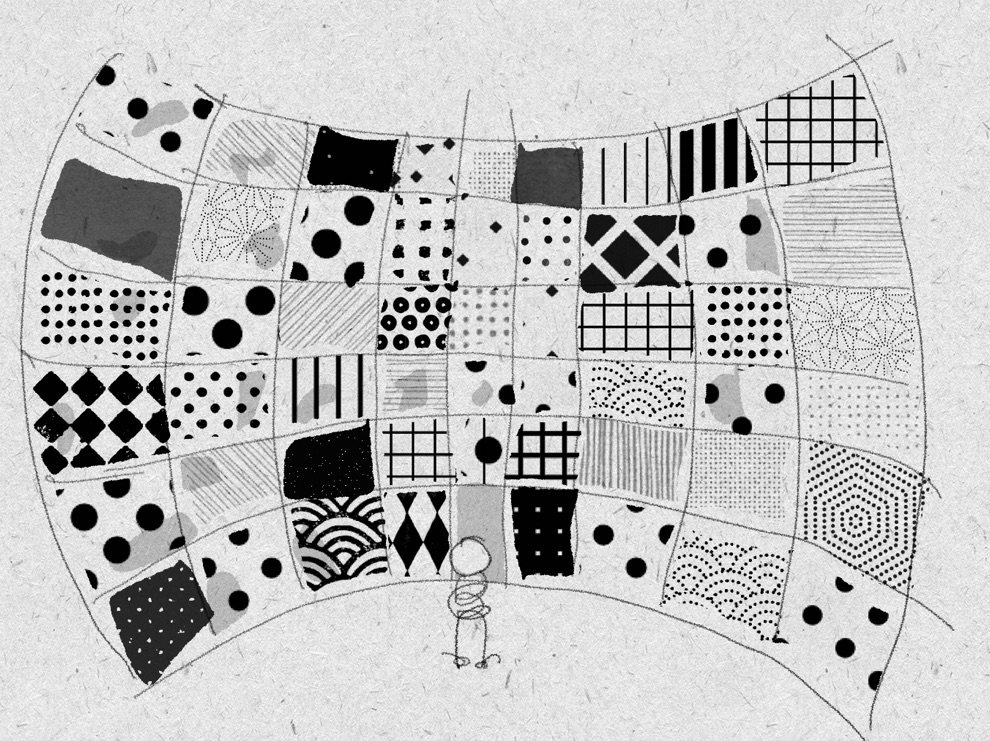
Human beings have built up a repository of knowledge over generations and to varying degrees we all have access to it. From the ever expanding repository we pluck out pieces. We build and develop our attitudes and values this way don’t we? It shapes our attractions and desires, repulsions and rejections, wishes, worries and dreams. We have pieces that we like and we have pieces that we dislike and we take them all in as matter and behave them out for ourselves and others. The pieces we dont like aren’t left where they are, we still take them in, record them. Just because we dislike something doesn’t mean we are free from its influence on our relationship with the world.
I’m concerned about us all, particularly that our children are presented with this vast repository of knowledge and become too unhealthily attached to parts of it. I think they also become mistakenly attached to the idea that the vastness of this repository of knowledge is unlimited. I’m concerned that they donrealise the danger of being attached so. I’m concerned that adults and educators and influencers know that certain parts of the repository can lead to destruction yet the emphasis is to steer our children away from the certain parts of the repository we think are destructive and to usher them towards other certain parts of the repository which seem healthy – to the detriment of a deeper understanding of relationship with the world about them.
The kind of education that I am hoping to convey on the blog, An Education of Understanding, has not been integrated into our everyday as this censorship approach has. I see An Education of Understanding activating this censorship approach when necessary – I am certainly not dismissing shielding our children from certain images and behaviour if we possibly can. I want for our children to move freely, psychologically, within and without this repository of knowledge. I can’t be the only one seeing that we adults must reveal clearly the importance of steering our children and ourselves to examine what has been happening with us human beings upto now. We have been building walls within ourselves and thus between eachother in the name of so called freedom and security.
To be able, psychologically, to freely move within and without knowledge is in other words to learn the art of seeing problems AS they arise. Realise when walls are going up before the first stone is cut and cemented and that quality of mind begins to negate the building of our walls. Words often associated with us not knowing what to do, being stuck and unable to move forward like ‘breakthrough’ or ‘stuck in a rut’ may die off in this context.
For aren’t the walls we have built, conclusions? Hasn’t the main driver been self-preservation in relation to pleasure and pain? I wonder if someone, anyone reading this sees that in order to look at whether it is possible to move freely within our very limited structures, within and without the repository of knowledge that we have to cease all concluding? In response to such a question I’m often met with ‘impossible’ immediately. As we go about in life, we obviously have to come to conclusions about many things in order to function. Here though, I am merely having a conversation, using my imagination and inviting others to think together on whether we can here in this space see if this concluding needs to go on in absolutely each and every passing moment as it seems to.



Leave a comment